
The wearable technology landscape has reached a defining evolutionary crossroads. For over a decade, consumer smart bands and fitness trackers operated as minor structural extensions of our smartphones—tethered devices designed to mirror text notifications, count daily steps, and record basic heart rate metrics.
As we look past 2026, the traditional boundary between simple lifestyle tracking and advanced molecular diagnostics has dissolved. Powered by breakthroughs in flexible solid-state battery configurations, low-power generative AI microchips, and non-invasive biochemical sensors, the next generation of smart bands is transitioning from passive data logs into autonomous, proactive wellness shields.
The future of smart bands focuses on ambient integration, where technology fades into the background while providing deep, continuous oversight of human biology and environmental data. Here is an analytical look at the major trends and technological innovations shaping the post-2026 smart band landscape.
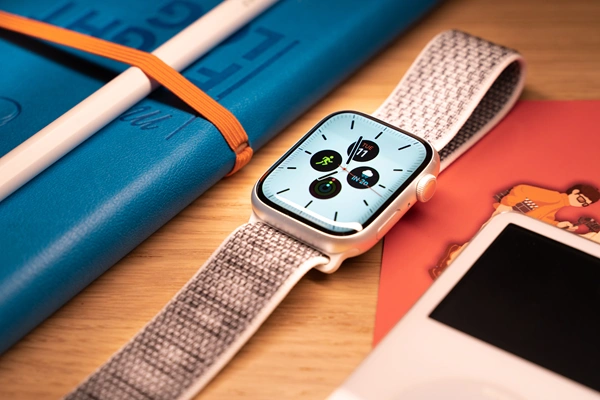
1. The Biochemical Paradigm: Non-Invasive Continuous Blood Monitoring
Historically, optical sensors on smart bands were restricted to reading heart rate and blood oxygen levels through photoplethysmography (PPG). True metabolic tracking required invasive blood draws or skin-piercing continuous glucose monitors (CGMs). Post-2026, the industry is moving toward completely non-invasive biochemical analysis directly from the wrist.
    [ NEXT-GEN BIOMETRIC ARRAY ]
                 │
  ┌──────────────┼──────────────┐
  ▼              ▼              ▼
[Transdermal   [Sub-Dermal    [Microfluidic
 Spectroscopy]  Optical PPG]   Sweat Analysis]
  │              │              │
  ▼              ▼              ▼
Glucose        Hydration      Cortisol &
Tracking       & Viscosity    Stress Indexes
Non-Invasive Glucose and Lactate Tracking
Using advanced transdermal infrared spectroscopy and multi-wavelength optical grids, next-generation smart bands can measure blood sugar fluctuations through the skin without micro-needles. This advancement offers a lifestyle management tool for fitness enthusiasts and individuals looking to optimize their metabolic health and energy levels.
Concurrently, continuous lactate tracking allows athletes to view their precise anaerobic thresholds in real time, shifting workout optimization from generic heart-rate estimation to precise cellular data.
Microfluidic Sweat Analysis
By utilizing ultra-thin, replaceable microfluidic channels built into the band’s inner lining, future wearables can capture microscopic amounts of passive sweat. This sweat is directed over integrated electrochemical chips to measure:
- Real-Time Electrolyte Levels: Instant tracking of sodium-potassium ratios to prevent dehydration before physical symptoms manifest.
- Cortisol Dynamics: Tracking the active stress hormone across the day to map out real cognitive fatigue and prevent long-term burnout.
- Blood Alcohol and Toxicity Thresholds: Providing automated safety alerts when metabolic toxicity levels change.
2. On-Device Generative AI: From Raw Data to Hyper-Personalized Action
Early fitness trackers were notorious for delivering unstructured metrics. They could inform a user that they slept poorly or that their heart rate was elevated, but they left the subsequent interpretation and actionable resolution entirely to the user.
Independent Edge AI Processing
Post-2026 smart bands run localized, highly optimized Large Behavioral Models (LBMs) directly on the device’s microchip, removing the need to upload sensitive biometric data to external cloud servers. The wearable no longer says, “Your sleep score was 62.” Instead, the on-device intelligence analyzes multi-day biometrics to provide context-aware, hyper-personalized adjustments:
“Your deep sleep was disrupted by a late adrenaline spike. I have automatically adjusted your calendar to defer your most demanding creative task by two hours and synchronized with your smart home system to lower your bedroom temperature by 1.5°C tonight.”
Context-Aware Voice Interactivity
Bulky interfaces are being replaced by conversational audio and haptic feedback. Users can interact with their band naturally during active movements—such as running or cooking—to log food intake, request physical form corrections, or run comprehensive physiological check-ins through a connected pair of wireless earbuds.
3. Radical Form Factors: Flexible Electronics and Invisible Integration
The standard plastic-and-glass screen chassis that has defined smart bands for a generation is undergoing a material revolution. The device of the future doesn’t look like a mini-smartphone buckled to your wrist; it adapts to the natural curvature of the human body.
 ┌────────────────────────────────────────────────────────┐
 │           POST-2026 ARCHITECTURAL EVOLUTION            │
 ├────────────────────────────────────────────────────────┤
 │ 🩹 Electronic Skin   │ Ultra-thin, elastomeric film    │
 │    Patches (e-Skin)  │ that adheres directly to skin.   │
 ├────────────────────┼────────────────────────────────────┤
 │ 🧵 Smart Textiles   │ Biometric conductive threads woven │
 │                    │ directly into daily work apparel.  │
 ├────────────────────┼────────────────────────────────────┤
 │ 🔋 Kinetic Charging │ Eliminates charging docks by using │
 │                    │ body heat and movement for power.  │
 └────────────────────┴────────────────────────────────────┘
Electronic Skin Patches (e-Skin)
The lines between traditional smart bands and medical-grade apparel are blurring. Ultra-thin, flexible elastomeric patches adhere comfortably to the skin for weeks at a time. These invisible, lightweight bands flex naturally with daily movement, rendering them popular for sleep tracking, pediatric diagnostics, and geriatric care.
Smart Textiles and Conductive Threads
Instead of wearing a separate strap, professionals and athletes can utilize clothing featuring conductive threads woven directly into the fabric. The cuffs of shirts, the bands of undergarments, and sportswear can serve as the primary biometric collector, sending data wirelessly to a central hub or directly to a user’s digital ecosystem.
Kinetic and Thermal Energy Harvesting
The ultimate goal of future wearable technology is the elimination of the charging cable. By leveraging micro-thermoelectric generators that turn ambient body heat into electrical current, alongside kinetic energy harvesters that generate power from daily motion, future smart bands can run indefinitely without ever needing a traditional wall dock.
4. The 2026+ Strategic Innovation Blueprint
As these technical innovations scale globally, the focus shifts toward specific performance vectors across different user demographics. The table below outlines how these post-2026 innovations redefine user categories:
| Innovation Vector | The Enterprise Professional | The Elite Athlete | The Longevity & Preventative User |
|---|---|---|---|
| Core Metric Priority | Neural fatigue index, stress tracking, cognitive focus blocks. | Real-time muscle oxygenation, continuous lactate, recovery curves. | Epigenetic aging speed, cardiovascular compliance, early disease markers. |
| Primary Form Factor | Minimalist screenless rings or leather-integrated bands. | Rugged, high-tensile impact bands with localized telemetry. | Continuous electronic skin patches or microfluidic straps. |
| Ecosystem Interaction | Deep integration with workspace automation and focus software. | Direct synchronization with digital trainers and biometric analysis tools. | End-to-end encrypted sharing with primary care physicians. |
5. Architectural Security: Protecting the Biodigital Twin
The collection of deep biochemical data introduces significant data privacy responsibilities. Because future smart bands map an individual’s personal biology—creating what medical futurists call a Biodigital Twin—standard software security measures are no longer sufficient.
Zero-Knowledge Architecture and Decentralized Health Logs
Future wearable data models utilize end-to-end zero-knowledge encryption protocols. Biometric insights are stored within decentralized personal data stores controlled exclusively by the user. Insurance companies, employer programs, and corporate tech systems are blocked from accessing this raw biological signature unless the user explicitly grants temporary cryptographic permission, ensuring personal health metrics remain completely private.
Conclusion
The future of wearable technology is defined by seamless utility. Smart bands are evolving past their origins as basic phone companions to become proactive wellness systems. By translating complex biochemical data into actionable personal insights, the next generation of wearables will play a critical role in extending human healthspan, optimizing daily performance, and making health tracking a natural part of daily life.
To help explore how these future wearable trends align with your focus, please share:
- Are you analyzing these innovations from a consumer manufacturing, healthcare management, or personal performance perspective?
- Which of these emerging technologies (e.g., non-invasive blood tracking, edge AI, or alternative form factors) is most critical to your research?
- Do you want to focus on how these devices interact with wider smart environments, such as smart homes or connected digital workspaces?
Entering tax season often brings anxiety among small business owners in Malaysia. If your financial files are not organized, you not only risk being penalized by the Inland Revenue Board (IRB) , but you may also miss out on various incentives and tax deductions that should help your company’s cash flow.To ensure you don’t panic as the deadline for filing your forms (whether Form B, Form P, or Form C) approaches, you need a comprehensive reference guide. This article provides a
Malaysia tax checklist specifically designed to help entrepreneurs systematically prepare business documents, maximize legitimate tax relief, and avoid costly mistakes that could invite high-risk audits.Let’s take a step-by-step look at this
Malaysia tax checklist to ensure your business tax preparation runs smoothly and is audit-proof.

The Importance of Proactive Tax PreparationMany owners of Enterprises or Private Limited Companies (Sdn Bhd) in Malaysia adopt a reactive attitude—that is, they are only busy looking for receipts and checking bank accounts a week before the ezHasil system closes. This attitude is not only tiring, but also very detrimental.When you manage your accounts regularly throughout the financial year, you can plan your capital expenditure wisely. Using
the Malaysia tax checklist as a monthly workflow allows you to clearly see which expenses can be deducted from your gross income. As a result, your company’s taxable income can be legally reduced, saving you thousands of Ringgit which can be reused for business working capital.
Step 1: Business Structure Verification & LHDN DeadlineThe first thing in any standard
Malaysian tax checklist is to identify your business entity type and the deadlines set by the authorities. Each entity type has different responsibilities and timelines under the Income Tax Act 1967.
- Sole Proprietorship & Partnership: Business income is declared along with personal income using Form B (or Form P for partnerships). The deadline is usually 30 June each year (or 15 July if using e-Filing).
- Private Limited Company (Sdn Bhd): This entity is subject to Company Income Tax using Form C. The deadline for verification and submission is 7 months after the close of your company’s accounting period.
If you overlook the basic components of this
Malaysian tax checklist , your company may be subject to a late filing penalty under Section 112(1) of the Income Tax Act 1967 which is calculated based on the percentage of tax payable.
Step 2: Preparation of Primary Financial Statements (Final)Before you or your tax agent log in to the ezHasil portal, make sure that all financial transactions for the assessment year have been balanced and finalized. You cannot fill out tax forms based on rough estimates or “guesstimates” alone.A complete financial statement must contain the following components:1. Profit & Loss StatementThis statement includes total gross income, cost of sales (Cost of Goods Sold – COGS), and all operating expenses such as rent, salaries, and utilities.2. Balance SheetThis document shows the position of assets (cash, inventory, equipment), liabilities (trade accounts payable, bank loans), and business owner’s equity at the end of the financial year.3. Cash Flow StatementShows cash inflows and outflows throughout the year, which is very important if your business uses accrual basis accounting.Including this account cleaning element into your company’s
Malaysian tax checklist ensures that tax agents don’t have to waste time (and charge extra fees) just to correct unbalanced ledgers.
Step 3: Separate Deductible ExpensesOne big secret to reducing corporate tax payments in Malaysia is to take advantage of expenses that are allowed for tax deductions under Section 33(1) of the Income Tax Act 1967. The general condition is that the expenses must be incurred
wholly and solely in generating business income.Business owners often get confused between business expenses and personal expenses. Therefore, this section of
the Malaysian tax checklist is critical to filtering your cash outflow:
[Perbelanjaan Kasar Syarikat]
      │
      ├─► Boleh Tolak (Sewa pejabat, gaji pekerja, kos pemasaran, faedah pinjaman perniagaan)
      │
      └─► Tidak Boleh Tolak (Sewa rumah peribadi, saman trafik, perbelanjaan hiburan domestik tanpa kaitan perniagaan)
Make sure expenses such as
employer EPF contributions , business liability insurance, and premises maintenance costs are categorized correctly to maximize your tax savings.
Step 4: Claim Capital AllowancesIn commercial accounting, depreciation of assets such as computers, machinery, and vehicles is treated as an expense. However, the IRB does not allow this accounting depreciation to be deducted directly from taxable income. Instead, you must claim
Capital Allowance .As part of a smart
Malaysian tax checklist management , ensure you keep an updated Fixed Asset Register to claim:
- Initial Allowance: A one-time deduction given in the first year an asset is purchased (usually 20%).
- Annual Allowance: A continuous annual deduction based on a standard rate set by the IRB according to the type of asset (e.g., 20% for computers, 14% for machinery).
Failing to claim capital allowances means you miss out on a huge tax deduction opportunity on your company’s asset investments.
Step 5: Management of Supporting Documents and Receipts (Keep for 7 Years!)Based on Section 82 of the Income Tax Act 1967, any individual or company carrying on business in Malaysia
is required to keep complete business records for 7 years . This is a strict law and should not be taken lightly.If the IRB selects your company for a desk audit or field audit, and you fail to submit the original receipt, the tax deductions you have previously claimed will be cancelled, and you will be subject to an immediate penalty.Make sure your
Malaysia tax checklist includes physical or digital files for the following documents:
- Itemized receipts (detailed receipts) for each expense in the company’s name.
- Sales invoices and credit/debit notes to customers.
- Monthly bank statements for all business accounts.
- Premises rental agreement documents, bank loan agreements, and insurance policies.
Since physical receipts with thermal ink easily fade within a few months, it is highly recommended to scan and store the document in a secure digital format such as cloud storage.
Step 6: Review of Special Tax Incentives & Double DeductionsMalaysia offers a variety of attractive tax incentives to stimulate the growth of certain sectors, especially for Small and Medium Enterprises (SMEs). If you want this article to serve as a
Malaysia tax checklist that will have a high impact on your company’s finances, you need to check if your business is eligible for:
- Double Deduction: Granted for certain expenses such as employee training costs under approved programs (e.g., HRD Corp), export promotion costs, or hiring employees from the disabled group.
- Special Corporate Status: Such as Malaysia Digital (MD) status which offers income tax exemption for a certain period for qualifying technology companies.
- Reinvestment Allowance: For manufacturing companies carrying out expansion, modernization, or diversification projects for their factories.
Regularly reviewing these incentives ensures that you do not pay more tax than you should according to the legal space provided by the government.
Step 7: Summary of Checklist Before Delivery (Final Verification)Before you press the “Submit” button on the LHDN portal, do a final check to ensure there are no technical errors that could trigger a red flag in the LHDN’s artificial intelligence (AI) system.Use this quick checklist in
Malaysia tax checklist for final verification:
| Review Items | Status (Yes/No) | Further Action |
|---|---|---|
| Are all income (including cash sales) included? | Check cash books and bank statements. | |
| Are personal expenses completely segregated? | Check the director/owner’s credit card transactions. | |
| Is the Capital Allowance calculation verified by an accredited party? | Refer to the calculations of a tax agent or accountant. | |
| Is the industry code (MSIC) entered in the form accurate? | Refer to your business’s SSM registration code. |
Kesimpulan: Automasi Kewangan untuk Persediaan Cukai Tanpa Tekanan
Menguruskan cukai perniagaan tidak sepatutnya menjadi satu mimpi ngeri tahunan yang mengganggu tumpuan operasi anda. Dengan menggunakan tax checklist Malaysia yang tersusun ini, anda boleh membina satu sistem pengurusan kewangan yang kukuh, telus, dan sentiasa bersedia untuk pematuhan undang-undang.
Langkah terbaik untuk jangka masa panjang adalah dengan beralih daripada sistem rekod manual atau hamparan Excel asas kepada perisian perakaunan awan (cloud accounting) yang mematuhi standard LHDN. Automasi ini bukan sahaja menjimatkan masa, malah memastikan perniagaan anda sentiasa berada pada landasan yang betul untuk berkembang ke tahap yang lebih tinggi dengan ekuiti kewangan yang selamat.